As temperatures will soon cool off and winter’s chill settles in, our bodies face many unique challenges, one being how cold weather affects our ears. While it might be easy to put on a hat and some earmuffs for extra protection when Jack Frost starts nibbling away at our lobes, it is crucial that we understand exactly how icy conditions impact them in surprising ways.
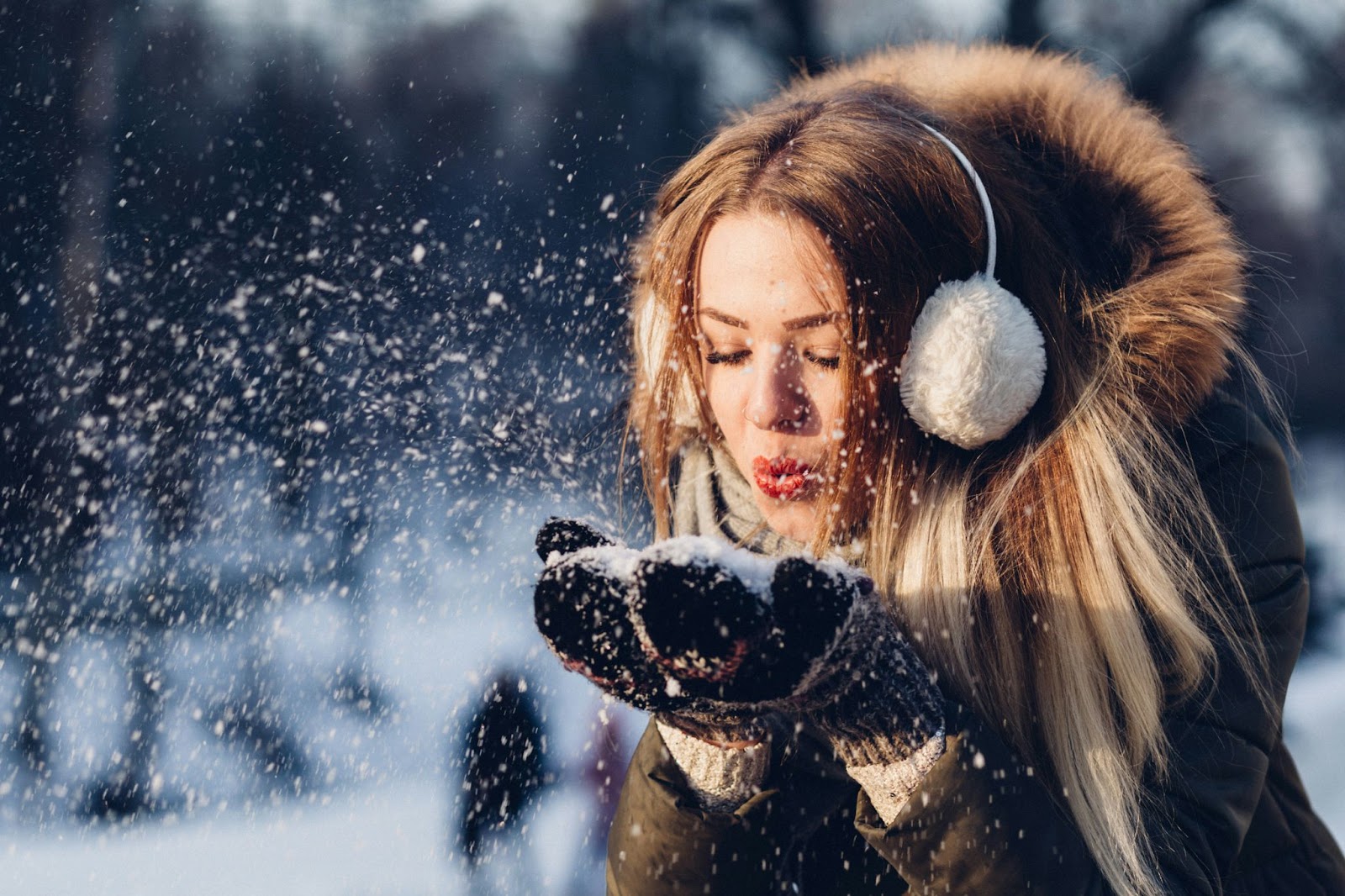
Photo by freestocks on Unsplash
Frostbite: When Ears Turn to Ice
Frostbite occurs when exposure to cold temperatures causes ice crystals to form on skin tissue and leads to permanent damage. Because our ears consist mostly of cartilage without fat insulation, they are particularly prone.
At first the affected area turns red and feels cold, as frostbite progresses further it may become numb and hard. In severe cases it may even result in tissue death, blackened skin, or the loss of an ear altogether.
Colds and Ear Infections
Winter brings more than just cold, it also heralds an increase in viral infections like colds and flus. These viruses often lead to secondary ear infections in children, most often through blocked Eustachian tubes connecting the middle ear with the back of the throat.
When we catch colds these tubes can become blocked with fluid pooling in the middle ear cavity creating ideal breeding ground for bacteria growth.
Exostosis: Surfer’s Ear in Winter
While exostosis, commonly referred to as surfer’s ear, typically affects surfers in cold waters, it can affect those exposed to cold wind and water regularly, including skiers and snowboarders, even more severely than surfers. Exostosis happens when repeated exposure causes abnormal bone growth in the ear canal resulting in reduced ear canal size, trapping water within it and increasing infection risks.
Chill-Induced Earaches
Have you ever found yourself walking outside on a cold, windy day only to be met with an uncomfortable earache? Cold air causes nerves in the ear canal to contract and lead to pain or discomfort. Those with sensitive ears or past history of issues tend to be particularly prone.
Hearing Aid Challenges in Cold Weather
Not just our ears can suffer in cold weather conditions, but hearing aid challenges in cold weather to those with hearing loss. Cold temperatures can drastically shorten battery life for hearing aids and require regular battery changes in order to keep them functioning optimally.
Furthermore, extreme cold and wet environments can damage hearing aids significantly so it is vital that they be protected against external factors as best possible.
The Role of Circulation
Cold weather has an enormous effect on circulation throughout the body, including your ears. Reduced blood flow can result in uncomfortable cold or numb ears as well as increasing risk for more serious conditions like frostbite. Wearing earmuffs or a hat covering them may help maintain warmth while improving circulation and maintaining good health in these vulnerable spots.
Conclusion
Winter’s beauty cannot be denied, yet it is important that you remain mindful of your ears when temperatures dip. By understanding risks and taking proactive protective measures against them, you can enjoy winter without jeopardizing their health. So as you bundle up for winter festivities make sure your ears are adequately covered, otherwise you risk leaving yourself vulnerable in its wake.
Leave a Reply