Stress touches almost every part of daily life. Work demands attention. Notifications pull focus. Responsibilities stack up. When anxiety rises, your body tightens and your thoughts race. You might try to relax by scrolling on your phone or watching a show, yet your mind often keeps spinning.
Hands-on hobbies offer a different path. When you move your hands with purpose, you give your brain a steady rhythm to follow. You shift attention away from worries and toward something you can shape, build, or create. That shift lowers tension and helps you feel grounded again.
Below, you’ll find practical, approachable hobbies that calm anxiety and reduce stress. Each one invites you to slow down, focus, and reconnect with the present moment.
Why Working With Your Hands Eases Anxiety
Your brain responds well to physical engagement. When you use your hands, you activate sensory pathways that anchor you in the present. You feel texture, notice detail, and track small changes. That sensory input competes with anxious thoughts and reduces their intensity.
Hands-on hobbies also:
- Create clear, manageable goals
- Provide visible progress
- Encourage steady breathing through repetitive motion
- Build confidence through small wins
- Offer a sense of control during uncertain times
When you complete a simple task, your brain releases dopamine. That chemical reward reinforces the behavior and boosts your mood. Over time, you begin to associate your hobby with calm and satisfaction.
Knitting and Crocheting for Rhythmic Calm
Knitting and crocheting rely on repetition. You loop yarn, pull it through, and repeat the pattern. That steady movement creates a rhythm that slows your breathing and heart rate.
Many people notice that anxious thoughts lose intensity when they focus on counting stitches or following a simple pattern. Your hands stay busy, which leaves less space for rumination.
You don’t need advanced skills to start. Choose a soft yarn and a basic scarf pattern. As you build confidence, you can move on to hats or blankets. The tactile sensation of yarn sliding through your fingers adds another layer of sensory comfort.
If you struggle with restlessness, knitting or crocheting during high-stress moments can help channel nervous energy into something productive.
Gardening to Reconnect With the Present
Gardening invites you outside and connects you with natural cycles. You dig into soil, plant seeds, water leaves, and watch growth unfold. That process demands patience and attention.
When you garden, you focus on concrete tasks:
- Loosening soil
- Trimming dead leaves
- Checking moisture levels
- Arranging pots or beds
These tasks ground you in physical sensation. You feel dirt under your nails and sunlight on your skin. Your mind shifts away from abstract worries and toward immediate action.
Even a small balcony garden or a few indoor plants can make a difference. Tending to living things builds responsibility and purpose. You see the results of consistent care, which reinforces hope and stability.
Painting and Drawing to Express Emotion
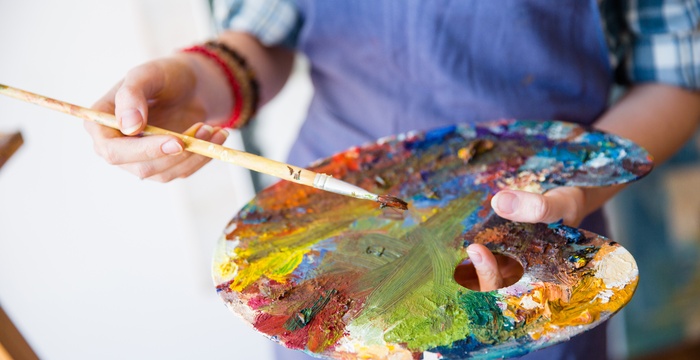
Anxiety often builds when emotions stay bottled up. Painting and drawing provide a safe outlet. You don’t need formal training to benefit. Simple shapes, colors, and lines can communicate more than words.
When you paint, you make constant decisions about color, pressure, and movement. Those decisions require focus. As you mix paint or shade a sketch, you enter a state of flow. In that state, time moves quickly and worries fade into the background.
Abstract art works especially well for stress relief. You can:
- Blend colors that match your mood
- Use bold strokes to release frustration
- Layer soft tones to invite calm
The goal does not involve perfection. The act of creating matters more than the final result. You give your feelings a physical form, which often reduces their intensity.
Woodworking for Focus and Structure
Woodworking demands attention and precision. You measure, cut, sand, and assemble. Each step builds on the last. That structure can calm a scattered mind.
When you handle tools and materials, you must stay present. A wandering mind can lead to mistakes, so you naturally train yourself to focus. Over time, that practice strengthens your ability to concentrate in other areas of life.
Start small. Build a simple shelf, birdhouse, or picture frame. As you sand rough edges smooth, you may notice your thoughts smoothing out as well. The scent of wood and the tactile feedback of tools create a fully immersive experience.
Completing a physical object with your own hands builds confidence. You move from raw materials to a finished piece, which reinforces your sense of capability.
Sewing and Crafting for Gentle Concentration
Sewing combines creativity with methodical steps. You select fabric, cut patterns, thread a needle, and stitch pieces together. That sequence guides your attention from start to finish.
Many people begin with beginner sewing projects such as tote bags, pillow covers, or simple garments. These projects offer quick wins and manageable challenges. You see progress with each seam, which keeps motivation high.
The repetitive motion of stitching calms the nervous system. You follow lines, adjust tension, and watch fabric transform. Crafting also allows for personalization. You choose colors and textures that bring comfort.
Pottery and Clay Work for Sensory Grounding
Clay work engages your senses in a powerful way. You press, roll, shape, and smooth. Your hands feel every contour and shift in texture. That deep sensory input pulls attention into the present moment.
When anxiety spikes, your thoughts often spiral into future scenarios. Clay interrupts that spiral. You cannot shape a bowl while replaying a stressful conversation in your head. The material demands full engagement.
If you don’t have access to a pottery wheel, you can try air-dry clay at home. Create small dishes, figurines, or simple sculptures. The act of shaping something from a formless lump into a defined object mirrors the internal process of organizing scattered thoughts.
Cooking and Baking as Structured Creativity
Cooking and baking combine creativity with clear instructions. You measure ingredients, follow steps, and monitor timing. That structure offers comfort when life feels chaotic.
Chopping vegetables or kneading dough creates repetitive motion that soothes the body. The smells and textures engage your senses, which strengthens grounding.
You can experiment with:
- New cuisines
- Homemade bread
- Decorative cookie designs
- Weekly meal prep routines
Each recipe provides a defined start and finish. When you pull a finished dish from the oven, you experience tangible accomplishment. Sharing food with others can also strengthen connection and reduce feelings of isolation.
Building a Consistent Stress-Relief Routine
Consistency strengthens the calming effect of any hobby. Schedule time for your chosen activity just as you would schedule a meeting or workout. Protect that time.
Create a dedicated space, even if it involves a small corner of a table. Keep your supplies organized and accessible. When you reduce setup friction, you increase the likelihood that you will follow through.
Over time, your brain will associate that space and activity with relaxation. Simply sitting down to begin may trigger a sense of relief.
Final Thoughts
Hands-on hobbies offer more than distraction. They provide structure, sensory grounding, and visible progress. When anxiety rises, you can reach for yarn, soil, paint, wood, fabric, clay, ingredients, or puzzle pieces. Each option invites you back into your body and into the present moment.
You don’t need artistic talent or expensive equipment. You only need willingness to begin. With steady practice, your chosen hobby can become a reliable anchor during stressful times.
Leave a Reply