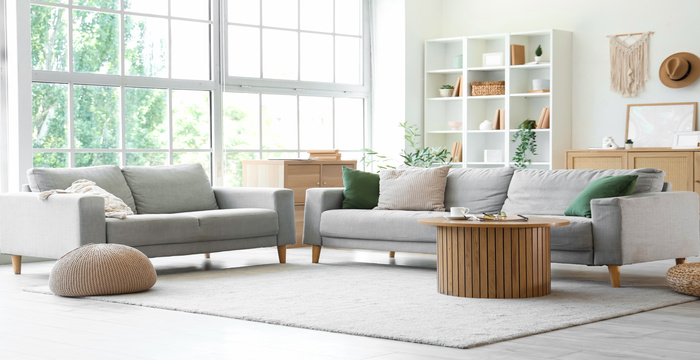
Natural light has a profound impact on the overall ambiance of a home, as well as the health and well-being of its inhabitants. Beyond simply illuminating a space, natural sunlight can make rooms feel more expansive, enhance the colors and textures of furnishings, and even help reduce energy bills by cutting down on the need for artificial lighting. If you’re looking for some tips to maximize natural light in your home, there are many reliable strategies to consider.
Choose Light-Reflective Colors and Textures
The way you use colors and textures in your interior design has a significant influence on how light moves throughout your home. Lighter paint colors, such as whites, pastels, or soft neutrals, reflect sunlight better than darker tones, which tend to absorb light. Choosing the right wall and ceiling colors can make your rooms look brighter and more airy, even if your windows are not exceptionally large.
Beyond wall colors, consider how reflective surfaces, such as mirrors, polished furniture, and metallic accents, can amplify natural light. Mirrors, in particular, are highly effective when strategically positioned. Placing a mirror opposite a window doubles the amount of light entering a space by bouncing it back into the room. Even small reflective details, like a glossy photo frame or metallic light fixtures, contribute to increasing the brightness.
Flooring choices also matter when it comes to maximizing light. Glossy hardwood or ceramic tiles in lighter shades reflect sunlight more effectively than darker or matte-finished materials. Adding light-colored area rugs can further enhance this effect for rooms with darker floors.
Keep Windows Clean and Unobstructed
One of the simplest ways to make sure your home receives plentiful natural light is to keep your windows clean and free from obstructions. Dirt, grime, and dust on glass can significantly reduce the amount of sunlight that passes through, leaving rooms looking dim and dull. Regularly cleaning your windows, both inside and out, ensures that your glass remains crystal clear and light-friendly.
Pay attention to what surrounds your windows as well. Heavy curtains, blinds, or furniture placed too close to windows can block natural light from fully dispersing into the room. Instead of thick drapes, consider sheer or light-filtering curtains that allow sunlight to gently flow in while providing some privacy. Alternatively, opt for blinds that can be fully raised during the day to maximize incoming daylight.
For outdoor spaces, trimming back overgrown trees, shrubs, or plants that shade your windows can also go a long way in brightening your interiors. A clear, unimpaired view will not only make the most of sunlight but also help make your home feel more connected to the outdoors.
Invest in Larger Windows
If you’re committed to a more permanent change in your efforts to increase natural light, investing in larger windows is a great option. Larger windows not only brighten your spaces but also provide a seamless connection to the outside world, giving your home a sense of openness and tranquility. Consider garden windows or expansive glass sliding doors for areas like your living room or dining space. These not only flood the indoors with sunlight but also create a stunning architectural feature. Just make sure you know how to pick the right location to install a garden window; it can be an expensive fix if you find you’re not getting as much light as you want.
For more cost-effective options, you can also look into adding skylights. Installed in ceilings, skylights are particularly beneficial for dark hallways, bathrooms, or attics where traditional vertical windows may be challenging to implement. If privacy is a concern, frosted glass or tinted options can address this issue while still allowing daylight to pass through.
Making the switch to larger windows does require an upfront investment, but it will significantly enhance the functionality and aesthetics of your home. Since this project can influence insulation and air sealing, partnering with a professional to ensure energy efficiency will maximize the benefits.
Incorporate Glass Interior Elements
Another technique to distribute natural light throughout your home is through the use of glass elements in your interior design. Adding glass doors, partitions, or even glass-paneled cabinetry allows light to travel further, reaching parts of the home that might otherwise remain dark. Frosted or textured glass can also be used in spaces like bathrooms where privacy is a concern, while still allowing for light diffusion.
Open floor plans paired with glass elements help eliminate visual barriers that can prevent light from traveling freely. Replacing traditional solid doors with glass-paneled ones or adding transparent shelving will make your space look more modern and illuminated. Even small choices, like opting for glass tabletops over opaque wood, can make a noticeable difference in how light flows through a room.
Use Artificial Lighting Strategically
While the primary goal is to increase natural light, well-placed artificial lighting can complement and extend daylight’s impact. Layering different kinds of lighting, such as overhead fixtures, table lamps, and wall sconces, can help simulate a natural effect, especially in areas where direct sunlight is limited. Choosing fixtures with adjustable brightness or those designed to mimic sunlight can further enhance this balance.
Placing artificial lights near reflective surfaces, such as mirrors or light-colored walls, amplifies the overall brightness in a room. This approach compensates for dimmer areas without overshadowing the charm of natural light.
Maintain an Open, Clutter-Free Interior
A clutter-free space enhances the natural flow of light in your home. Large, bulky furniture and excessive décor can block light and create shadows that make your rooms feel smaller and darker. Instead, aim for minimalistic layouts with lightweight, multifunctional furniture that doesn’t obstruct light sources.
Choosing furniture in light tones or with low profiles will complement natural light, helping maintain a spacious and airy feel. Arrange your layout thoughtfully so as not to block windows or key areas where sunlight streams in.
Brighten up Your Home
Implementing some tips for maximizing natural light in your home doesn’t just elevate your interior design; it improves your quality of life. A bright, light-filled home feels larger, more welcoming, and promotes healthier living through increased exposure to natural sunlight. Whether you’re investing in larger windows, choosing light-reflective materials, or simply keeping your windows clean, these tips can transform any space into a more vibrant and luminous environment. With some thoughtful planning and adjustments, you’ll find that the warmth and brilliance of natural light can completely redefine your living space.
Leave a Reply