Have you ever felt better after cleaning your home? I have. A tidy space can make us feel happier. Understanding how cleanliness affects our mind helps us take care of ourselves better.
Thinking about my own life, I see that a clean home is more than looks. It brings peace and clear thinking. By cleaning regularly, my mental health has gotten much better.
Key Takeaways
- Decluttering can make us feel better mentally
- A tidy home lowers stress and anxiety
- Self-care is key for our emotional health
- A clutter-free space helps us think clearer
- Cleaning often brings calmness
The Hidden Connection Between Clutter and Mental Well-being
Clutter in our homes is linked to our mental health. It’s not just about too many things. It’s how these things make us feel.
How Physical Spaces Affect Our Psychology
Our surroundings greatly affect our mind. A messy place can make us feel anxious and overwhelmed. But a clean space brings calm and clear thinking.
People living in messy homes often feel more stressed. This stress can make them feel anxious and less happy.

The Science Behind Clutter and Stress
Science shows clutter and stress are connected. Studies found people in messy homes have more stress hormones all day.
Research Findings on Home Environment and Anxiety
Many studies link a clean home to better mental health. For example, those in tidy homes feel less anxious and sad.
Cortisol Levels and Disorganized Spaces
Disorganized spaces raise our stress hormone, cortisol. Cortisol helps us deal with stress. But too much can harm our health.
Knowing how our space affects us helps us care for ourselves. Making our homes clutter-free is more than cleaning. It’s about creating a space that supports our well-being.
Decluttering for Self-Care: More Than Just Tidying Up
Decluttering is more than a chore. It’s a way to be mindful and feel better mentally. When we clean up, we’re not just sorting stuff. We’re taking care of ourselves.
The Mindfulness Aspect of Organization
Decluttering makes us focus on the now. It helps us relax and feel less stressed.
Being Present During the Decluttering Process
Sorting through things makes us think about what’s important. It’s like a quiet moment to reflect.
How Organization Reflects Inner States
Our space shows our inner world. Organizing helps us see our thoughts and feelings. As Breininger says, it’s personal.
“For some, (being organized) is all about being productive. For others, it’s all about being neat or being able to find what you need when you want it.”
Creating Spaces That Nurture Your Mental Health
Organizing helps make spaces that are good for our minds. It’s not just about cleaning. It’s about making a calm place.
| Space | Mental Health Benefit | Decluttering Tip |
|---|---|---|
| Living Room | Relaxation and Socialization | Remove unnecessary decorative items |
| Bedroom | Sleep Quality and Intimacy | Minimize clutter under the bed and in closets |
| Workspace | Productivity and Focus | Organize cables and papers, reduce distractions |
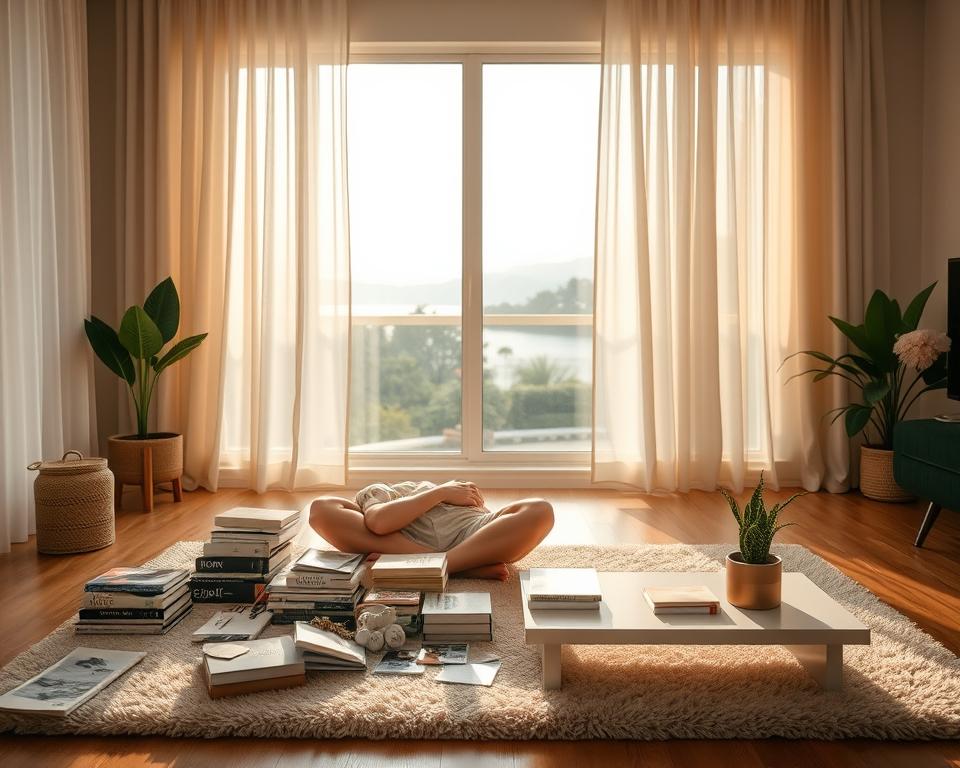
By being mindful while decluttering, we make our spaces better for our minds. This journey to a clutter-free life is also a path to self-care and mindfulness.
My 5-Step Method to Transform Chaos into Calm
I’ve made a simple 5-step plan to make your messy space calm. This method is easy to follow. It helps you make your home more organized and peaceful.
Starting Small: The One-Area Approach
Start small when you begin decluttering. Pick one area to work on at a time. This could be cleaning a shelf or organizing your desk drawer.
Working on a small area lets you see your progress fast. It also helps you keep going with your decluttering project.
The 15-Minute Daily Declutter Habit
Decluttering every day is important. Try to declutter for 15 minutes each day. Use a timer to keep yourself on track.
Work on a small area each day. This could be sorting items, cleaning surfaces, or putting things away. Doing this daily makes decluttering a regular part of your life.
Mindful Decision-Making with Possessions
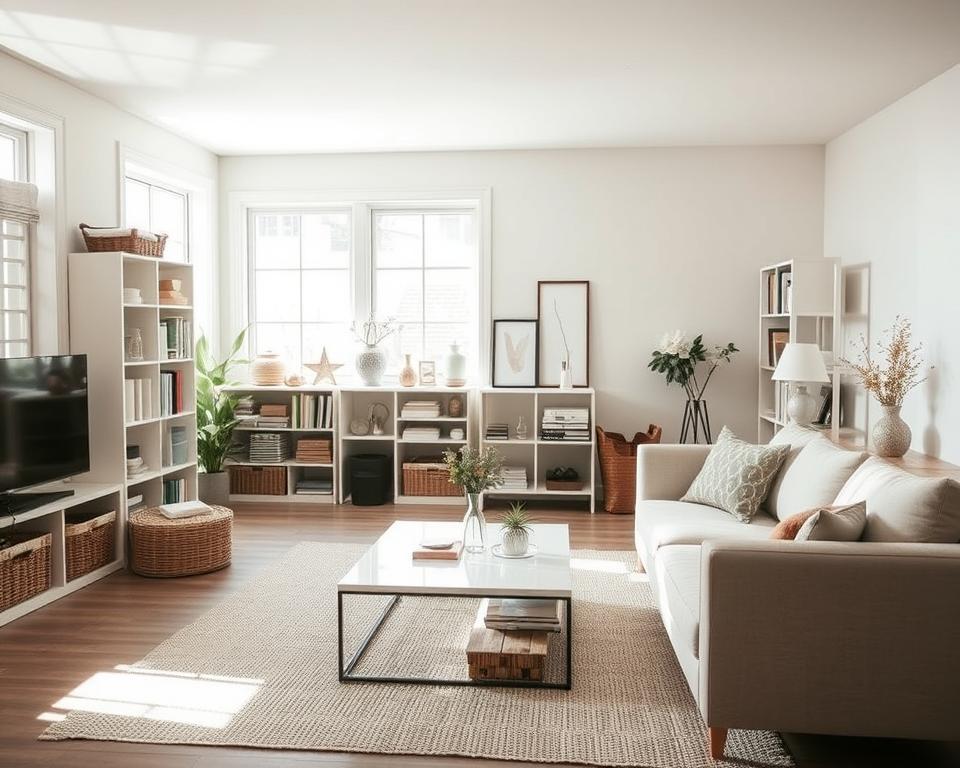
When decluttering, think carefully about each item. Ask if it has a purpose or brings you joy. Be honest with yourself.
Let go of items that don’t make you happy. This way, you’ll have a better relationship with your things.
Creating Systems That Stick
To keep your space clean, create systems that work for you. This might mean setting up storage or cleaning routines. Or, it could be about making habits that help you stay organized.
Make your systems easy to follow. This way, you’ll be more likely to keep them up over time.
Maintaining Your Progress Long-Term
Keeping your space clean takes effort, but it’s worth it. Regularly check how your space is doing and make changes if needed. Celebrate your wins and don’t get too upset about setbacks.
| Step | Description | Benefits |
|---|---|---|
| 1. Start Small | Focus on one area at a time | Reduces overwhelm, builds momentum |
| 2. Daily Declutter Habit | Commit to 15 minutes daily | Maintains space, prevents clutter buildup |
| 3. Mindful Decision-Making | Assess each item’s purpose or joy | Cultivates intentional relationship with possessions |
| 4. Create Systems | Establish routines and storage | Supports long-term maintenance |
| 5. Maintain Progress | Schedule regular check-ins | Ensures continued benefits to mental and physical well-being |
Beyond Tidying: Self-Care Through Organization
Self-care through organization makes our homes better for our bodies and minds. It’s more than just cleaning up. By organizing our spaces, we can feel less stressed and happier.
Room-by-Room Wellness Considerations
Every room in our homes has its own special job. Organizing them right can really help our mental health. Let’s look at how to make a few key areas better.
Bedroom Sanctuary Creation
A calm bedroom is key for good sleep. Start by cleaning out under-bed storage and picking soothing colors. Use tidy-up tips like getting rid of old clothes and bedding.
Kitchen Organization for Healthier Habits
An organized kitchen helps us eat better. By sorting out your kitchen tools and dishes, cooking becomes easier. Think about using a kitchen cart or spice rack to keep things handy.
Home Office Arrangement for Productivity
A tidy home office is essential for getting work done. Set up a filing system and use desk organizers to keep things neat. This helps you stay focused and avoid feeling overwhelmed.
Incorporating Elements That Boost Mood and Energy
There are more ways to make our homes better for our mood and energy. By adding special touches, we can make our homes truly care for us.
Natural Light and Plant Placement
More natural light and plants can really lift our spirits. Experts say they can make us feel happier and more energetic. Try moving furniture to let in more sunlight and add plants that clean the air.
“A clean environment can positively impact the brain and hormone levels.”
Color Psychology in Home Design
The colors we pick for our homes can also affect how we feel. Blues and greens calm us, while yellows and oranges boost creativity. Think about how colors will make you feel when picking paint or decor.
By using these ideas in our home organization, we can make a space that reduces clutter stress and boosts our mental and emotional health.
When Clutter Becomes Overwhelming: Addressing Deeper Issues
When clutter feels too much, look deeper. It might show emotional or psychological issues. These need to be fixed for decluttering to work.
Emotional Attachments to Possessions
Dealing with emotional ties to things is hard. These ties come from memories, sentimental value, or fear of losing things. It’s key to understand these feelings.
For example, keeping clothes for happy memories keeps those moments alive. Seeing the emotional value helps decluttering feel less about getting rid of things.
When to Seek Professional Help with Tidy-Up Tips
Clutter can hide deeper problems that need expert help. If clutter causes you a lot of stress or you can’t decide what to keep, get help. Experts can help with both the physical and emotional clutter.
Signs That Clutter Is Affecting Your Health
Clutter can harm your health in many ways. It can cause stress, anxiety, and even health problems like allergies. Look out for these signs:
- Feeling overwhelmed or anxious around clutter
- Physical health issues like allergies or breathing problems from dust or mold
- Having trouble finding important things because of disorganization
Resources for Support and Assistance
Struggling with clutter? There’s help out there. Talk to professional organizers, therapists, or join support groups for decluttering.
Conclusion: A Clean House for a Clearer Mind
Living in a clean space helps our minds feel clear. It’s not just about cleaning. It’s about making our homes peaceful places.
When we clear out clutter, our minds feel lighter. This makes our lives more organized and calm. It’s a big step towards a better life.
Getting rid of clutter helps our minds stay clear. This is important for our happiness and health. For more tips, check out this resource.
By keeping our homes tidy, we make our lives better. We create a space that supports our well-being. It helps us feel creative and motivated.
Let’s keep making our homes and minds peaceful. This harmony is key to a happy life.
Leave a Reply