Moving into a new home is like starting a relationship with someone new. Although it takes time, getting to know your new surroundings can be very exciting for anyone expecting to move into a new home. However, this excitement can also easily cause you to lose sight of important details that can affect your safety.
While some things will take time to get used to, anything that affects your safety requires immediate attention even before you unpack. So, if you’re preparing to move into a new home, here are six safety precautions you need to take when you move in.

Safety Precautions for Moving into a New Home
- Be prepared in case of a fire
It may take a while to get used to the layout of your new house, so you need to make sure you know what to do in case of emergencies such as a fire. Start by identifying the quickest escape route in your new home for each family member and rehearse a fast way to escape in case of a fire outbreak. Of course, the last thing you want to think about is a fire emergency when you want to focus on enjoying your new home. But an important part of enjoying your new home is knowing how to prepare for unforeseen events.
You should also check for fire extinguishers and know how to access and use them. If your new home does not have fire extinguishers, it’s best to purchase them. Be sure to install a fully charged extinguisher on every floor of your home. Also, ensure that everyone knows how to access and use them.
- Know how to shut off your electricity and water
When you move into a new home, you should immediately learn how to turn off your electricity and water supply. Why? Because if a pipe bursts during a renovation, repairs project, or a disaster, you can quickly prevent your home from disastrous water damage.
And if you end up overloading your electrical systems when installing new devices, you will know where to shut off your electricity temporarily. This way, you can prevent costly accidents at home.
- Check for gas safety installations
Depending on where you live, your landlord may be required to keep gas appliances, fuels, and pipelines well-protected. Your landlord should conduct regular gas safety checks and ensure that gas supply to all appliances is done in the safest way possible.
Ignoring gas safety checks can lead to fire, explosions, or other gas-related accidents at home. You can consider speaking with a personal injury lawyer to look into the possibility of negligence in case of a gas-related accident that isn’t your fault.

- Check the trees in your yard
If your new home has a yard with grown trees, you must inspect them as soon as you move in. First, check for any signs of poor tree health to determine if a tree needs cutting down or falling. This step is particularly important if the dying tree is too close to your home. Next, note whether the trees in your yard represent a potential hazard. For example, do heavy branches extend to your rooftop? Are the branches too close to your windows? Are branches extending to your neighbor’s house? Will they cause any damage if they break?
Also, find out if the trees are dangerous to your structure, from the foundation to the walls.
- Designate first aid stations
Check your new home for first aid installations. If there are none, you’ll need to install them yourself. Identify the right areas in your home to install your first aid stations and ensure that every occupant knows where they are.
Also, pick locations in your home that are easy to remember and ensure that all your first aid stations are fully stocked. And if you have to move any first aid station to a new location, keep everyone informed about the change.
- Take inventory of your belongings
Moving day can be very stressful, and the process very demanding. So it makes sense that you’ll want to relax before unpacking. But before doing so, you must take inventory of all your belongings. There’s no better or easier way to do so than when your items are still boxed up and organized. Start by making sure that nothing is missing.
Next, check to see if any item is damaged. Consider taking pictures of serial numbers, your rooms, and individual items, as they may come in handy should you file an insurance claim.
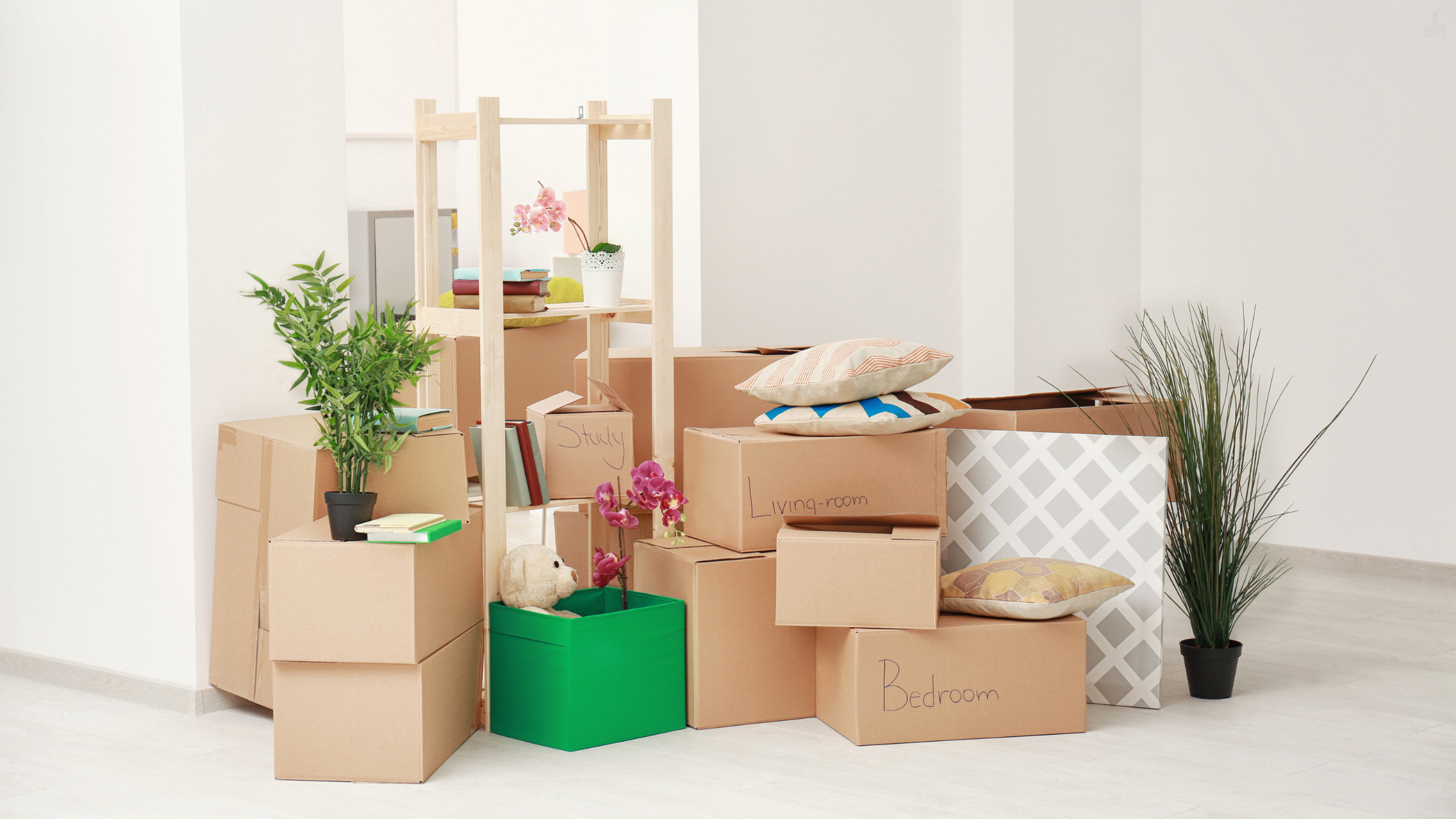
With this check list and a little hard work (let’s face it, moving is indeed WORK), you should experience a safe and worry free move into your new home!
Leave a Reply