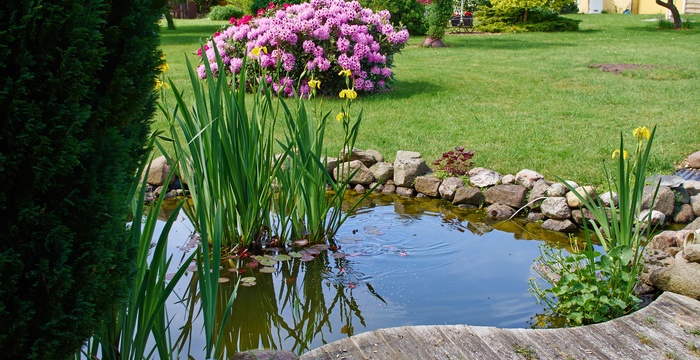
A backyard pond can transform an ordinary outdoor space into a peaceful retreat that enhances natural beauty. With careful planning and thoughtful design, you can create a self-sustaining water feature that blends into your landscape. This project offers aesthetic value and a rewarding hands-on experience that connects you more closely with your environment.
Understanding the essential steps before building a backyard pond will help you avoid common challenges and ensure long-lasting success. From selecting the right location to maintaining water quality, each decision plays a role in the overall health and appearance of your pond. With a clear approach and consistent care, your backyard pond can become a stable, vibrant focal point for many years.
Choosing the Right Location
Select a site that receives balanced sunlight and partial shade to support plant health while limiting excessive algae growth throughout seasons. Avoid low areas that collect runoff since debris and contaminants can enter the pond and disrupt water quality and clarity.
Ensure the ground remains level and stable to prevent structural issues that could damage liners or create uneven water distribution. Test soil firmness and remove rocks or sharp debris that might puncture materials used during pond construction and setup phases. Plan access paths for tools and future care tasks to maintain convenience and reduce disturbance to surrounding landscaping elements.
Planning Size and Shape
Determine pond size based on available space and maintenance capacity to ensure a balanced design that fits your property. Choose shapes that mimic natural forms since irregular outlines create a more organic appearance and support varied plant and wildlife habitats. Consider depth variations to allow zones for aquatic plants and fish while helping regulate temperature and oxygen distribution.
Sketch your design to visualize the layout and confirm the placement of features such as waterfalls, pumps, or decorative stones within the space. Adjust dimensions to maintain safe distances from structures and boundaries while preserving aesthetic harmony with existing garden elements and pathways. Balance ambition with practicality to avoid overly complex designs that increase workload and strain resources over time.
Excavation and Ground Preparation
Mark the outline with stakes and string to guide excavation and maintain accuracy during digging across the entire planned pond area. Dig gradually in layers to achieve the desired depths while shaping shelves for plants and ensuring smooth transitions between zones for stability. Remove all debris and roots from the excavated space to create a clean base that supports liner placement and prevents punctures.
Compact the soil gently to reduce settling and create a firm foundation that maintains the pond structure over extended periods without shifting. Add a layer of sand or underlayment to cushion the liner and protect against sharp objects that could compromise water retention. Check measurements and adjust contours as needed to match your design before proceeding with liner installation and final assembly.
Installing the Pond Liner
One of the main steps to creating a backyard pond is to select a durable liner material that suits your climate and pond size to ensure lasting performance. Lay the liner carefully over the prepared base while smoothing folds and pressing it into contours for a snug and secure fit. Allow extra material around edges to accommodate adjustments and secure the liner properly once the pond fills with water.
Fill the pond slowly with water to help settle the liner into place and reveal any adjustments needed before securing edges permanently. Trim excess liner cautiously while leaving enough margin for anchoring under rocks or soil to prevent shifting during use. Inspect for wrinkles or weak points and correct them promptly to maintain a reliable and watertight structure.
Adding Filtration and Circulation
Install a filtration system that matches pond size and intended use to maintain water clarity and support healthy aquatic life within the environment. Position pumps and filters strategically to promote consistent circulation that prevents stagnant zones and distributes oxygen evenly across the pond. Conceal equipment with stones or plants to preserve a natural look while ensuring easy access for maintenance and inspection.
Choose energy-efficient components to reduce operational costs while maintaining effective performance throughout varying seasonal conditions and environmental changes. Maintain proper flow rates that align with pond volume to avoid excessive turbulence or inadequate circulation that could affect plant health. Monitor system performance regularly to detect issues early and keep water conditions stable and clear over time.
Selecting Aquatic Plants
Incorporate a mix of submerged, floating, and marginal plants to create balance and enhance visual appeal within the pond ecosystem. Choose native species that adapt well to local conditions and require less maintenance while supporting biodiversity and natural harmony. Arrange plants thoughtfully to avoid overcrowding and ensure each species receives adequate light and nutrients for proper growth.
Use plants to provide shade and reduce algae growth while contributing oxygen that supports fish and beneficial microorganisms within the pond. Trim and manage plant growth to maintain balance and prevent dominance that could disrupt the ecosystem or hinder water circulation. Rotate or replace plants as needed to sustain diversity and keep the pond environment vibrant and healthy.
Managing Water Quality
Test water parameters regularly to monitor pH, ammonia, and oxygen levels that influence the health of plants and aquatic life. Adjust conditions through partial water changes or natural treatments to maintain balance and prevent harmful fluctuations that could damage the ecosystem. Learning how to avoid a stagnant pond in your yard will ensure you maintain a beautiful, thriving environment.
Remove debris such as leaves and excess algae to prevent decay that could introduce toxins and reduce oxygen levels within the pond. Maintain filtration systems and clean components to sustain effective performance and prevent buildup that could hinder water flow and quality. Observe seasonal changes and adapt care routines to address temperature shifts and environmental variations that affect pond stability.
Seasonal Maintenance Practices
Seasonal changes affect pond health and require consistent care to maintain balance and function throughout the year. These tips will help you match temperature shifts and environmental conditions to protect equipment and aquatic life:
- Remove debris and trim plants before colder periods to reduce decay and maintain water quality during reduced biological activity.
- Protect pumps, filters, and exposed components from freezing temperatures to prevent damage and ensure readiness for future use.
- Inspect pond structure and liner for wear or damage caused by weather changes and address issues promptly.
- Resume regular cleaning and maintenance as temperatures rise to support plant growth and restore ecological balance.
- Check filtration systems and restart equipment gradually to ensure proper function after periods of inactivity.
- Adjust plant care routines to encourage healthy regrowth while preventing overcrowding as warmer conditions return.
A well-planned backyard pond offers beauty and a dynamic habitat that enriches your outdoor environment while providing a satisfying project experience. Careful attention to installation and maintenance ensures a balanced system that supports healthy plants and clear water. With consistent effort and thoughtful choices, your pond will remain a vibrant feature that enhances your landscape and provides lasting enjoyment.
Leave a Reply