Your bustling lifestyle might leave little time to consider potential catastrophes like water damage, but prevention is vital. Water damage can severely impact your home’s value and repair costs can devastate your savings.
Ensuring a balance between your active life and home maintenance is key for preventing these disaster scenarios.
Perhaps the water damage was unexpected, such as a burst pipe or flood; you find yourself facing both a busy day ahead and an urgent home crisis. This is where the expertise of professionals becomes fundamentally important.
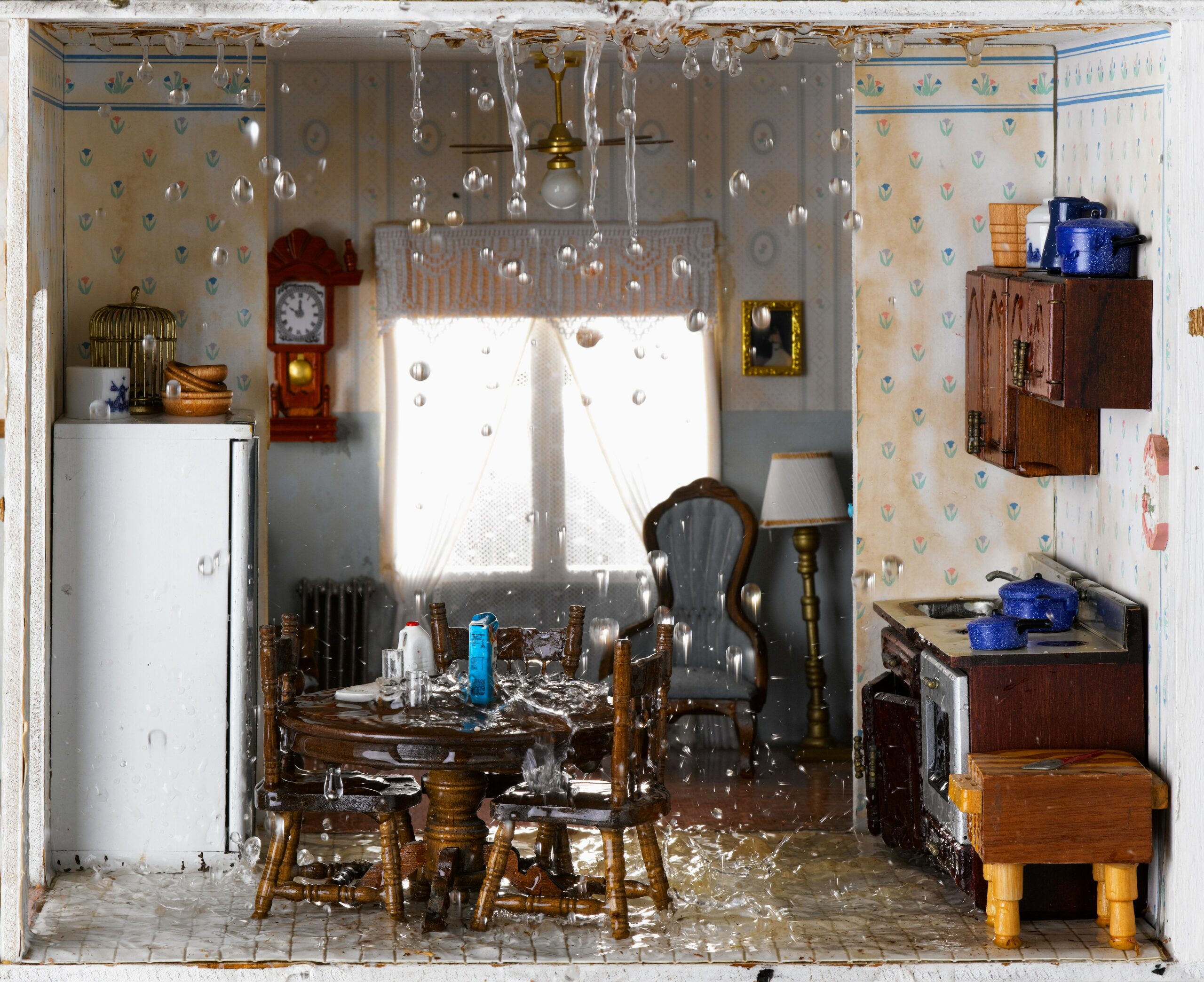
Water Damage Specialist is a team of experts who can assist you through these daunting incidents. Their comprehensive services provide you with peace of mind, allowing you to focus on other aspects of your life while they efficiently handle the aftermath of water damage.
Explained Water Damage Risks
Your home shelters you, yet it also faces countless perils. One of these hazards is water damage. Early understanding and prevention can save you costly repairs.
Hidden Dangers
Irrigation issues to overflowing appliances, water infiltrates your foundation silently. This often undetected enemy can wreak massive structural destruction.
Hidden flooding spots, namely basements and crawl spaces become water breeding grounds, fostering mold growth. Over time, this compromises structural integrity.
Health Hazards
Beyond structural implications, damp environments serve as hotbeds for bacteria and mold. These microbial guests pose considerable health risks to your family.
Inhaling mold spores can lead to respiratory issues and other health problems. Playing detective on potential damp areas contributes to a healthier living environment.
Maintaining Vigilance
Monitoring your house for water threats offers peace of mind. It safeguards your home’s durability while optimizing the living conditions within it.
Preventative steps can range from regular gutter cleanups, proper landscaping for favorable drainage, to ensuring good insulation for pipes during freezing weather.
Install Leak Detection Sensors
People often overlook water damage until it becomes substantial. One practical approach to prevent this catastrophe is installing a leak detection sensor.
Leak detectors are real-time monitors for your plumbing system. They send you alerts when they detect moisture, water accumulation, or abnormal changes in water pressure.
- Proactive Response: Leak detectors notify you about potential water breach, allowing you to react promptly, minimizing chances of major damage.
- Saves Money: It’s not only about preventing structural damages. Detecting leaks early can save you from a surprisingly high water bill.
- Conserves Water: Utilizing sensors help in the conservation of water by detecting and informing about unnecessary water wastage.
- Safeguard Your Belongings: Early detection can protect your cherished belongings from possible water damage.
The extra layer of protection that these sensors provide can make your life easier and stress-free regarding potential water issues.
Explore their affordability and different types; investing in good quality leak detection sensors will prove beneficial for your home’s longevity.
Maintain Gutters and Downspouts
Your home’s gutters and downspouts play a pivotal role in directing water away from your property, crucial for effective water damage prevention.
Regular Cleaning
Without routine cleaning, leaves and debris can clog your gutters, resulting in water overflow. This can lead to potential moisture damage to your property.
You should aim to clean your gutters at least twice per year. However, if you live in a heavily wooded area, increase the frequency.
Repair and Replacement
If you notice cracks or holes in your gutters, swift repair or replacement is necessary to maintain their effectiveness in preventing water damage.
Rusting or sagging is also an indicator that your gutters may need replacing. Always ensure they’re secure and in good condition, directing water efficiently away.
Monitor Water Usage and Pressure
The first step to preventing water damage is monitoring your water usage. Excess use can strain systems leading to leaks or breaks.
How Can Monitoring Water Usage Prevent Damage?
By keeping an eye on your water bill and taking note of any unusual increases, you can identify potential leaks early before significant damage occurs.
What Tools Aid in Monitoring Water Usage?
Smart home technology, such as leak detectors, can send alerts directly to your phone when a possible leak is detected. This enables swift intervention.
What’s the Role of Water Pressure in Damage Prevention?
High water pressure exerts strain on your plumbing, potentially causing leaks. It’s advisable to regularly check your home’s pressure and adjust it accordingly.
Do all Homes Require a Water Pressure Gauge?
A water pressure gauge could be an invaluable tool for homeowners, as it can help detect any abnormality in pressure that may lead to leaks.
Can Smart Devices Prevent Potential Water Damage?
Yes, smart.home leak detection devices can aid in identifying leaks early and allow immediate action, preventing costly water damage.
Inspect Roof and Chimney
Keep a close eye on your roof and chimney. Timely monitoring can prevent costly water damage. Regular maintenance aids in identifying potential issues early.
Diligent Roof Inspection
Check for broken shingles, rust spots or other signs of wear. These can indicate vulnerable areas likely to cause water damage if not addressed.
Maintain Your Chimney
Ensure the chimney flashing is secure to avoid leaks. Crumbling masonry can be a sign of water damage and should be dealt with promptly.
Responsibility of Roofing Contractor
If a roofing contractor is re-roofing your house, they should take precautions against rain damage. Quora discusses this responsibility extensively.
Know Water Shut-off Procedures
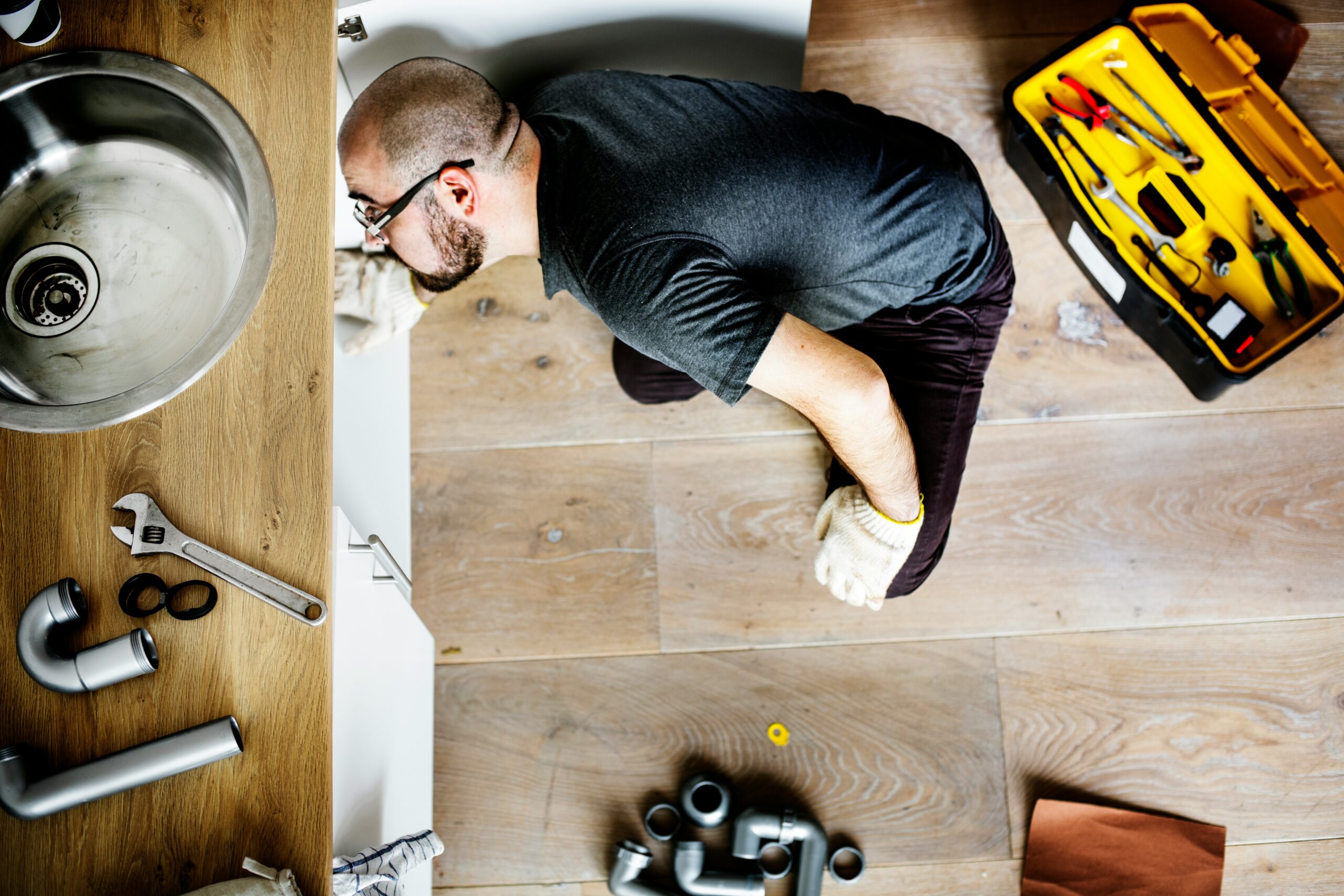
Your home is a complex system full of pipelines. Understanding where the water shut-off valve is located can prevent significant damage.
It’s imperative to know how to promptly stop the water flow during an emergency. This knowledge could save you valuable time and costly repairs.
- Water main shut-off valve: This central shut-off point, usually located near your water meter, controls the entire water supply to your dwelling. Turn it off in severe emergencies.
- Toilet shut-off valve: This valve is typically situated behind the toilet at a lower level. It helps mitigate complications related to toilet-related leaks or clogs.
- Sink shut-off valve: Usually under the sink, this stops water if there’s an issue with the faucet or dishwasher. Every sink has its own shut-off valve.
- Washing machine shut-off valves: These are on the back of the washing machine, to cut off water flow immediately when faced with a leak or overflow problem.
You don’t need advanced plumbing skills for these procedures. Keeping a proper understanding can be enough to avert potential damages.
You can have peace of mind knowing your home is protected from possible leaks or floods by knowing these fundamental shut-off techniques.
Every little step you take towards learning these specifications enhances your chances of averting any future catastrophic incident ensued by unnecessary water flow.
Identify Hidden Water Leaks
Maintaining a balanced life requires you to be vigilant about potential water leaks in your home.
Without proper attention, even minor leaks can lead to major headaches.
It’s crucial for you to regularly inspect your home for signs of moisture or leakage.
This practice saves you from impending damage and avoids needless stress in your busy life.
- Inspect the Bathroom: Regularly check faucets, shower heads, and toilet tanks for leakage. Pay attention to damp floors or unusual water stains.
- Analyze the Kitchen: Regular scrutiny of your dishwasher, refrigerator, and sink can prevent unexpected water problems from surfacing later on.
- Check Outdoor Areas: Don’t overlook them; garden hoses, sprinkler systems, and pools can also spring leaks. Regular checks keep these under control.
You might underestimate how proactive leak detection can significantly impact your life’s balance.
By preventing water damage, you spend less time on repairs and more on your priorities.
Implement Automatic Shutoffs
A crucial step to minimizing water damage is implementing automatic shutoffs. This simple change can prevent larger-scale problems before they even start.
Automatic shutoff systems work by detecting any change in the flow or pressure of water. This often signifies a leak, triggering the shutoff feature.
- Automate your home: Install devices like smart leak detectors and automatic water shutoff valves for smarter, safer homes.
- Minimize potential damage: With immediate response from these gadgets, you’re potentially saving thousands of dollars in repair costs.
- Effortless management: Automated systems are easy to control with a simple app, keeping you informed about your home’s status at all times.
- Increase property value: These modern upgrades can significantly increase your property’s value while ensuring its safety and durability.
An investment in such technology quickly repays itself by mitigating risk of water-related disasters. It’s a simple yet effective solution offering peace of mind.
You should consult professionals to ensure proper installation. Each precaution taken contributes significantly to creating a safer and more efficient living space.
Water Safety Secured
By being proactive, you can efficiently manage the risks of water damage while coping with a busy lifestyle. Visit this flood cleanup services link to ensure your home is fully protected. Remember, prevention is always better than cure.
Leave a Reply